
Leaks Found and Pipes Put Right
A leak is easiest to fix while it is small. Here’s where they show up, what to do first and how hidden leaks are found.
Some leaks are plain to see: a drip under the sink or water on the floor by the toilet. Others hide in a wall, under a floor or out in the yard and show up only as a stain, a musty smell or a water bill that jumped. Either way, the first job is finding where the water is really coming from, because it often travels along a pipe or a joist before it drips where you notice it.
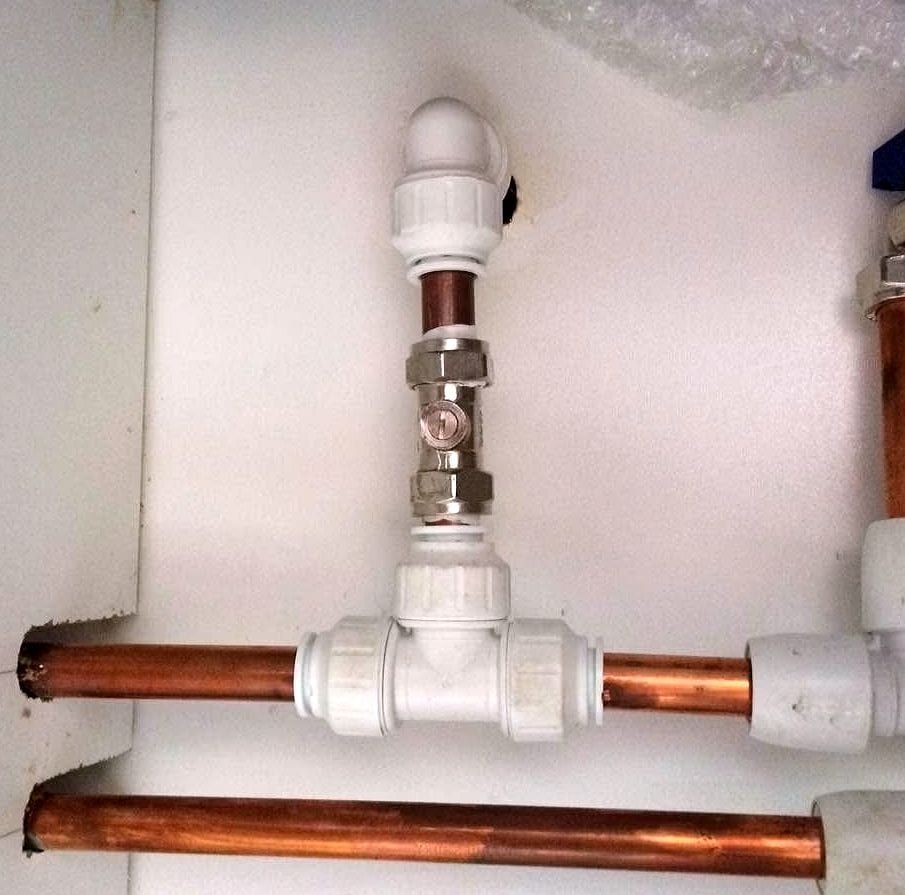
Signs of a Leak
- A water bill higher than usual without any change in how you use water.
- A stain, bubble or soft spot on a ceiling or wall.
- The sound of running water when every tap is off.
- A musty smell in a cabinet, closet or corner of the basement.
- A meter that keeps moving with nothing running.
Where the Leak Shows and What to Do First
| Where the leak shows | Common signs | What to do first |
|---|---|---|
| Under a sink | A wet cabinet floor, a swollen base, drips at the supply lines or trap | Close the two stop valves under the sink and put a pan under the drip |
| On a ceiling below a bathroom | A brown ring or soft spot that grows after showers or flushes | Stop using that bathroom and turn off the toilet’s stop valve |
| Around the water heater | Water at the base, a damp relief valve pipe, rust on the fittings | Close the cold water valve above the heater and turn the heater off |
| Basement wall or floor | A wet patch near where pipes run, or water near the sump | Check whether the sump pump runs, and keep belongings off the floor |
| In the yard | A soggy patch that never dries, or a high water bill with no visible leak | Note the meter reading with every tap off, then check it again in an hour |
| Inside a wall | Peeling paint, a musty smell, a warm spot over a hot water line | Turn off the main shutoff if the stain is growing |
While You Wait: Shutting Off the Water
- For one fixture, turn the stop valve under the sink or behind the toilet clockwise until it stops.
- For anything bigger, close the main shutoff where the water line enters the house.
- If the leak is on the hot side, turn off the water heater too: the gas control to “pilot” or “vacation,” or the breaker for an electric heater.
- Open a faucet on the lowest floor to drain the water left in the pipes.
- Keep away from water near outlets, cords or the electrical panel.
- Take a few photos of the stain or the drip. They help when you describe it on the phone.
Leaks Underground and Under Floors
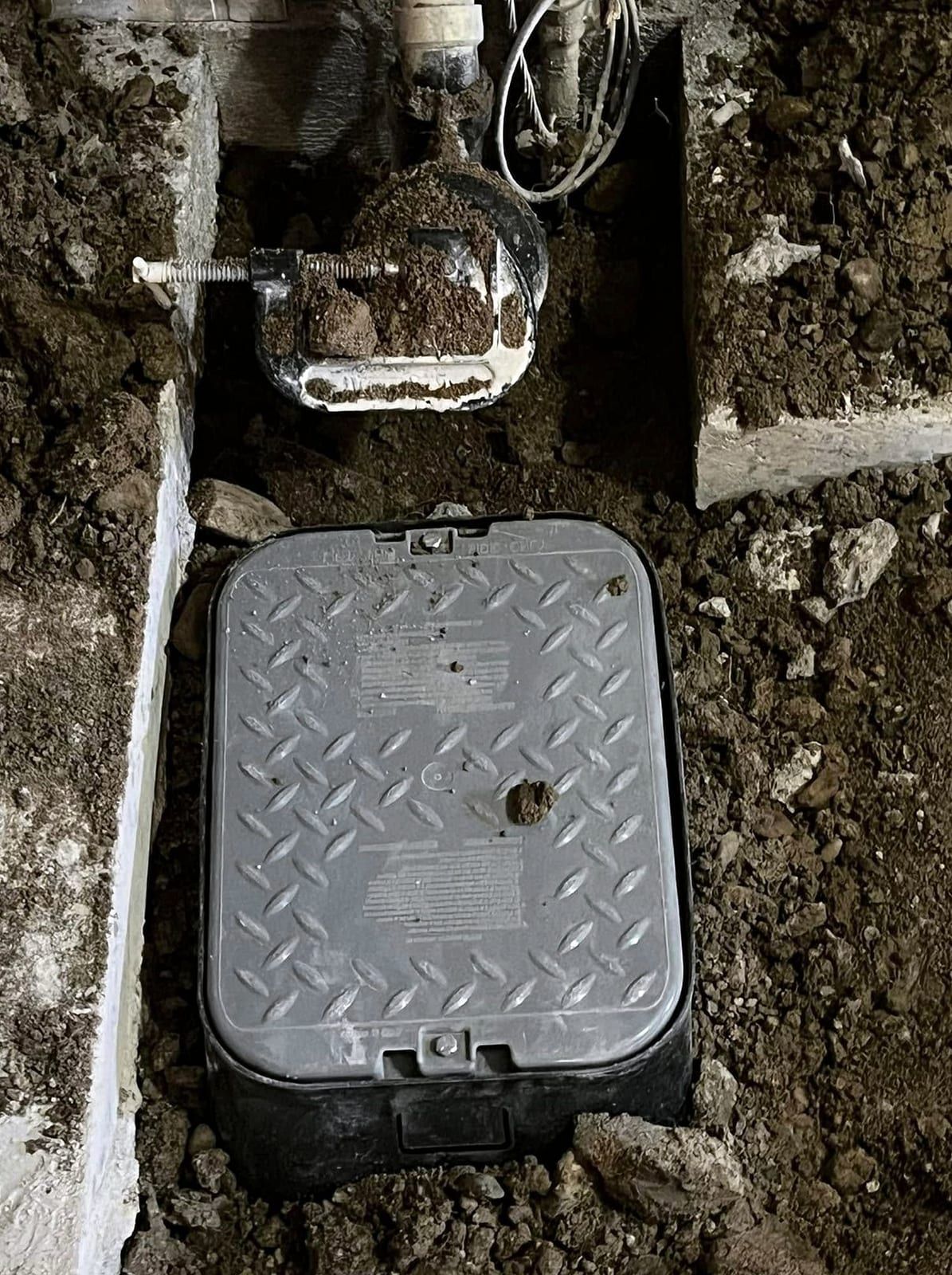
A leak on the water service line between the street and the house shows up as a soggy patch of lawn, a meter that keeps turning or pressure that slowly drops. Fixing it means digging down to the line, and every dig starts with a call to 811 so buried gas and electric lines are marked first. Once the line is open, a cracked or corroded section can be cut out and joined back together.
Inside the house, older supply lines can wear out along a whole run. When the same section keeps springing pinhole leaks, opening the floor or wall and repiping that section with new line is usually the lasting fix rather than another patch.
Leak and Water Pressure Questions
How do I find my main water shutoff?
In most Mason houses it is in the basement or crawl space where the water line comes through the front wall, often near the water meter. In a slab house it may be in a utility closet or the garage. Find it before you need it, and make sure it turns.
Why is my water pressure suddenly low?
If it’s low at one faucet, the aerator or cartridge is often clogged. If it dropped all over the house, a partly closed main valve, a failing pressure regulator or a leak on the service line can be the cause. Lower pressure at the same time as a high water bill points to a leak.
Can high water pressure cause leaks?
Yes. Pressure that runs too high strains supply lines, faucet cartridges, toilet fill valves and water heater relief valves, and it shortens their life. A pressure regulator on the main line keeps it in a safe range, and it can wear out like any other part.
What is a pinhole leak?
A tiny hole that wears through a copper pipe from the inside, often spraying a fine mist or seeping slowly. One can be repaired. When they keep showing up along the same run, repiping that section is usually the lasting fix.
Seeing Water Where It Shouldn’t Be?
Tell us where it is showing up and how long it’s been going on, and whether the shutoff still turns.