
Drain Cleaning for Slow and Clogged Drains
A slow drain rarely fixes itself. Here’s what usually causes one, what a plumber checks first and how to keep the next clog away.
Most clogs build up over weeks: hair and soap in a bathroom line, grease and food scraps in a kitchen line, or roots in an older main line outside. By the time water stands in the sink, the pipe has usually been narrowing for a while. Clearing it properly means reaching the actual blockage, not just poking a hole through it so it drains for a few days.
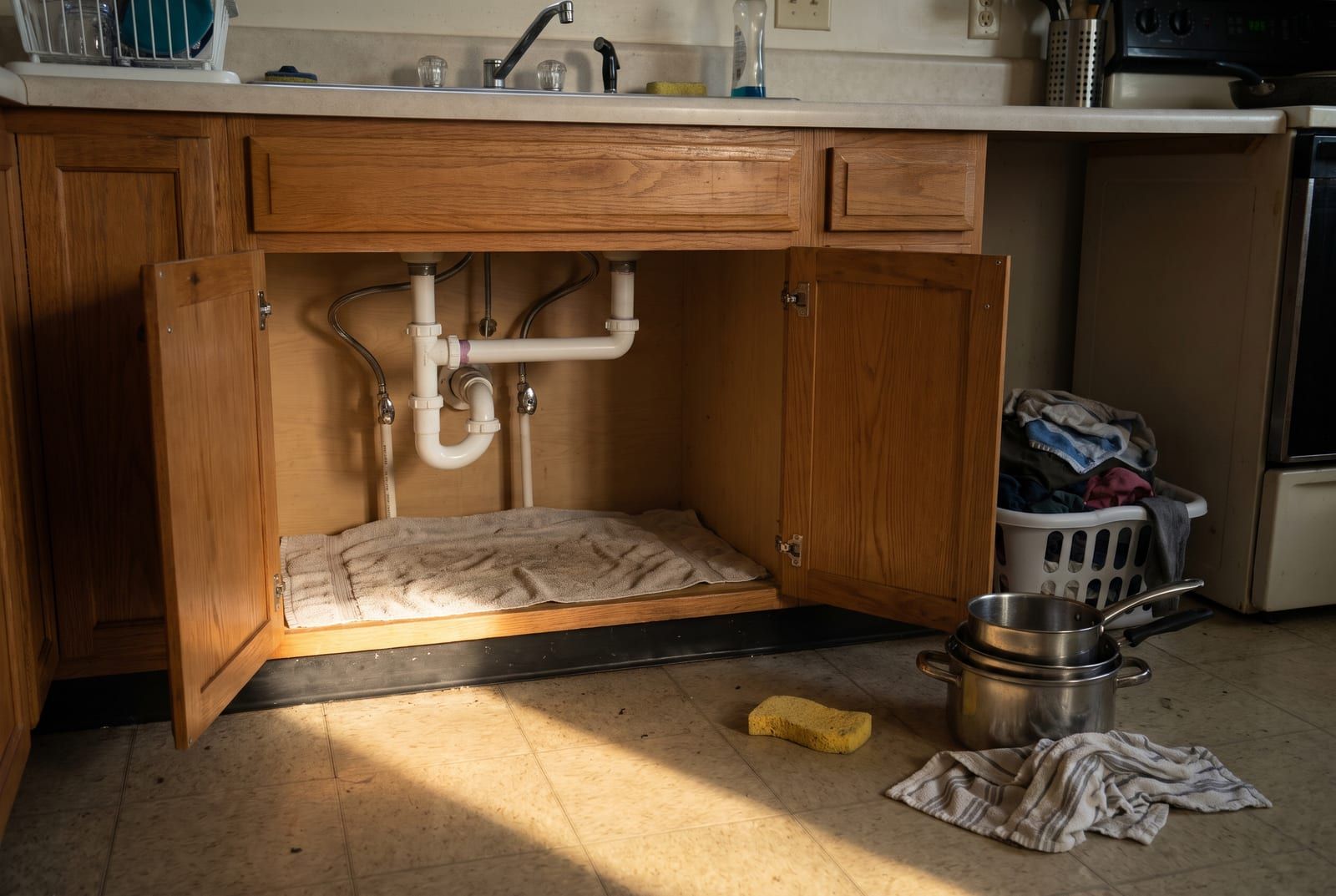
Signs a Drain Needs Attention
- Water stands in the sink or tub for a minute or more after you turn it off.
- The drain gurgles, or a toilet bubbles when another fixture drains.
- A sour or sewage smell comes from the drain.
- Water comes up in a basement floor drain or the tub when the washer empties.
- You’ve used a plunger on the same drain more than once this month.
Symptoms and Their Usual Causes
| Symptom | Possible cause | What a plumber looks at |
|---|---|---|
| One sink drains slowly | Hair, soap or grease built up in the trap or the line right behind it | The trap and the short branch line to the stack |
| Tub and sink in one bathroom both slow | A clog in the shared branch line | Where the two drains join, and the vent for that bathroom |
| Gurgling after a toilet flush | A partial blockage or a blocked vent pulling air through the traps | The vent on the roof and the line below the toilet |
| Water backing up into a floor drain | A blockage in the main line or a root intrusion outside | The cleanout and the main line, often with a camera |
| Kitchen sink slow after the holidays | Grease and food scraps that hardened in the line | The trap, the disposal outlet and the line toward the stack |
| A sour smell from a drain | Buildup on the pipe walls, or a dry trap | The trap seal and the condition of the line |
How a Clog Is Usually Cleared
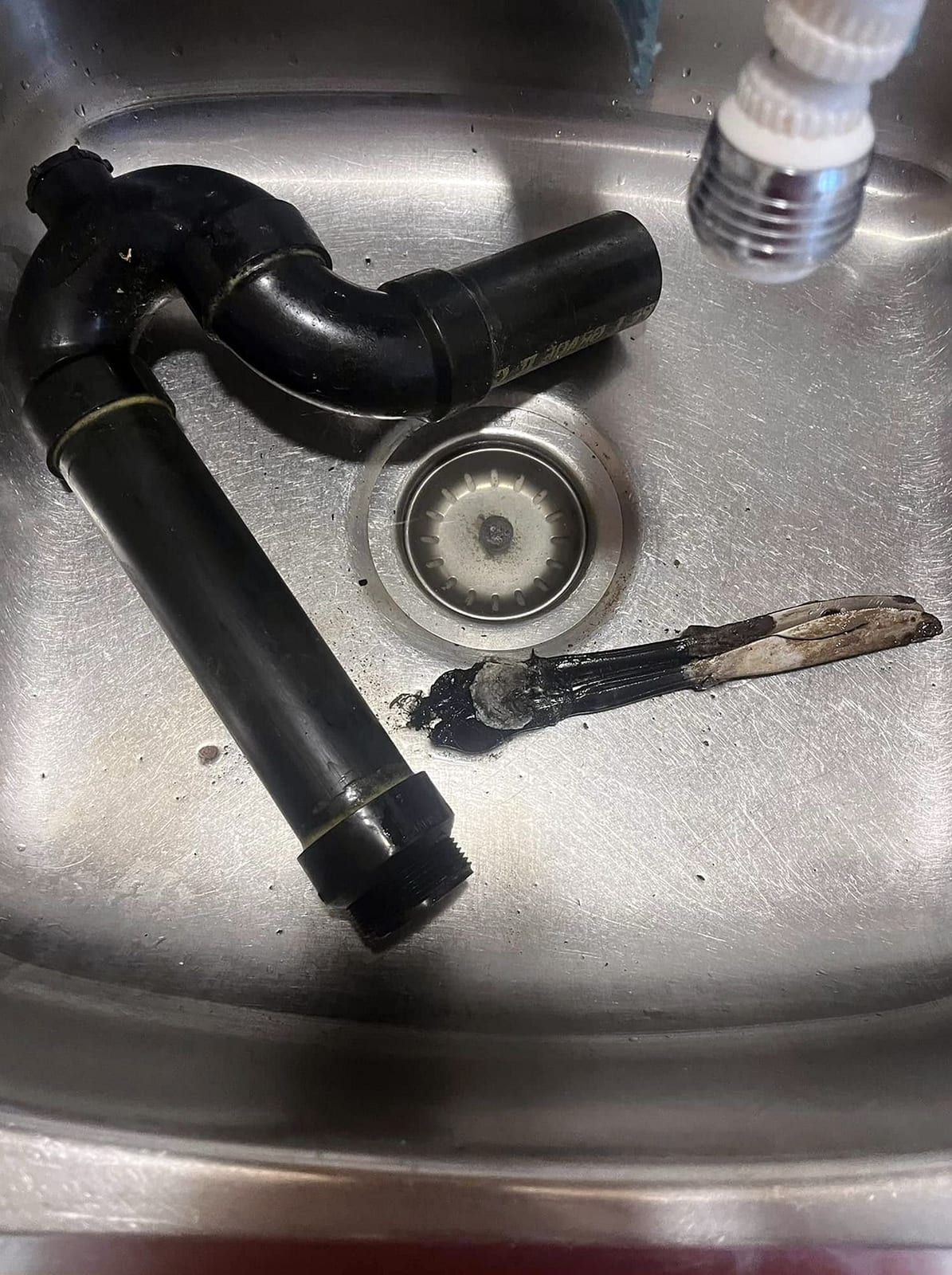
For a single sink, the trap often comes off first. A good share of bathroom and kitchen clogs sit right there, as a wad of hair or a plug of grease and food. Beyond the trap, a cable machine (often called a snake) is fed into the line to break up or pull out what is blocking it.
When several fixtures are slow, or a floor drain backs up, the work moves to the main line, usually through a cleanout. Roots, a broken section or a sag in the line are the usual suspects there, and a camera inspection shows which one it is before anyone talks about digging.
What Not to Put Down Drains
- Cooking grease, fat and oil, even poured hot. It hardens further down the line.
- Coffee grounds and eggshells, which settle and pack like sand.
- Pasta, rice and potato peels in the disposal: they swell and turn to paste.
- Wipes of any kind, even ones sold as flushable.
- Paper towels, cotton swabs, dental floss and hair from brushes.
- Paint, joint compound and grout rinse water.
A strainer in the tub and the kitchen sink catches most of what causes trouble, and running hot water for a minute after using the disposal helps carry scraps through.
Drain and Clog Questions
Are chemical drain cleaners safe to use?
They can burn through a soft clog, but they often leave the hard part behind, sit in the trap and are hard on older metal pipes. They also make the job risky for whoever opens the trap next. A plunger or a hand auger is the safer first try.
Why does the same drain keep clogging?
A drain that clogs every few months usually has buildup along the pipe walls, a belly where water sits, or a line that was installed with too little slope. Clearing the clog fixes today’s problem; finding out why it comes back fixes the next one.
Is a slow floor drain in the basement a sewer problem?
It can be. Floor drains sit at the lowest point of the house, so they are often the first to show a blockage in the main line. If the floor drain backs up when the washer drains or a toilet flushes, the main line is the place to look.
Can tree roots really get into a drain line?
Yes, especially in older clay or cast iron lines with joints. Roots find the moisture at a joint and grow into the pipe, catching paper and grease until the line slows or stops. A camera inspection shows where they are.
Drain Still Slow?
Tell us which drains are slow and for how long, and we’ll find the clog and clear it.